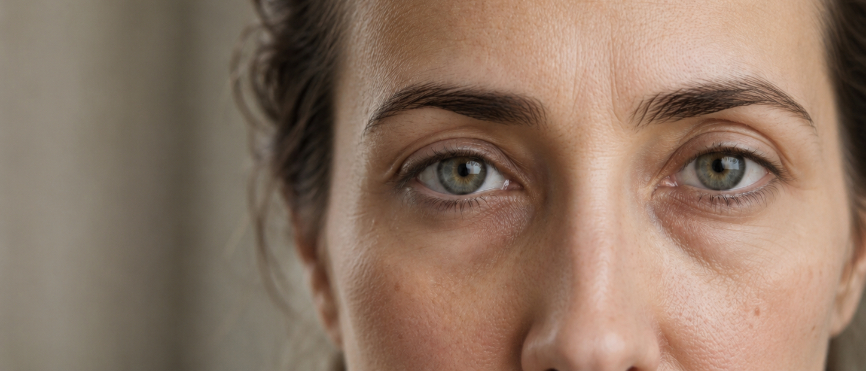
Most people who ask us about skin boosters aren’t trying to change their face. They’ve noticed their skin looks dull by mid-afternoon, or that make-up has started to settle into fine lines, and they want to know whether an injection can really help with that.
And often it can. Skin boosters are injections, usually of hyaluronic acid, placed in tiny amounts across the skin so it holds more water. Skin looks more hydrated and smoother, and feels a little firmer. They won’t add volume or lift sagging the way filler does. A course is usually two or three sessions four to six weeks apart, and results last from around six months to a year, depending on the product.
In this article
- What Are Skin Boosters and What Do They Do?
- Do Skin Boosters Work? What the Evidence Says
- What Are the Best Skin Boosters? The Main Types Compared
- Skin Boosters vs Dermal Filler
- How Many Sessions Do You Need and How Long Do Skin Boosters Last?
- What Is Treatment Like and What Are the Side Effects?
- Who Skin Boosters Suit and Who Should Wait
- How Much Do Skin Boosters Cost?
- Frequently Asked Questions
- Start With a Consultation
What Are Skin Boosters and What Do They Do?
Skin boosters are tiny injections of hyaluronic acid spread across the skin rather than placed in one spot. The aim is healthier-looking skin, with the shape of your face left as it is.
Hyaluronic acid is already in your skin, where it holds on to water. A skin booster places a thin layer of it just under the surface, across a whole area such as the cheeks, the neck or the backs of the hands, so the skin there stays hydrated for months.
| What they help | What they won’t do |
|---|---|
| Dry, dull or dehydrated skin | Lift sagging or jowls |
| Fine lines and crepey texture | Replace lost volume |
| Rough texture | Reshape the nose, jaw or chin |
| Neck, chest and hands | Fill deep folds |
If sagging or lost volume is what bothers you most, dermal filler or an 8-point facelift will likely be of more benefit to you than any skin booster.
Injectable Skin Boosters vs Skin Booster Serums
If you’ve searched for skin boosters and found a lot of serums, you’re not imagining it. The word gets used for both. A serum works on the surface and needs putting on every day. An injectable booster places hyaluronic acid in the skin itself, which is why the result lasts months rather than hours. Everything you read below is about the injectable kind.
Do Skin Boosters Work? What the Evidence Says
For skin quality, the evidence says yes, with some honest caveats.
The most useful summary we have is a 2023 review by Ghatge and Ghatge in the journal Clinical, Cosmetic and Investigational Dermatology. It brought together 13 clinical studies of injectable hyaluronic acid and found improvements in hydration, firmness, texture and radiance. The authors also say larger trials are still needed, with which we agree. Thirteen studies is a modest amount of evidence for a treatment this popular.
Eight of those studies tested hyaluronic acid by itself and five tested it mixed with other ingredients. The plain hyaluronic acid did better, which is one reason we keep to well-studied products.
The strongest evidence is for hydration and texture. Whether skin boosters also help your skin make more of its own collagen is still being studied, so we treat that as a possible bonus and don’t promise it.
What no study can tell you is how your skin will respond, which is why we scan it on our OBSERV 520x at your consultation, so we’re both working from the same starting point.
What Are the Best Skin Boosters? The Main Types Compared
There isn’t one best skin booster. Which one we suggest depends on what’s bothering you: dryness and fine lines, crepey skin that’s lost its bounce, or skin that looks tired and thin.
| Type | What it is | Best for | Typical course | Results last |
|---|---|---|---|---|
| Restylane Skinboosters | Tiny droplets of stabilised hyaluronic acid | Dryness, fine lines, rough texture | 2 to 3 sessions, 4 to 6 weeks apart, then a top-up every 4 to 6 months | Around 6 months |
| Profhilo | High-concentration hyaluronic acid that spreads under the skin | Crepiness, loss of bounce | 2 sessions, 4 weeks apart, then a top-up about every 6 months | 6 to 9 months |
| Polynucleotides | DNA fragments that support the skin’s own repair | Thin, tired skin, under-eyes | 2 to 4 sessions, a few weeks apart | 6 to 12 months |
The first two are both hyaluronic acid. In Restylane Skinboosters, it’s stabilised, meaning the molecules are linked together so your body breaks them down more slowly, and Galderma describes the droplets as small reservoirs of moisture under the skin. Profhilo is a higher concentration, made without those chemical links, and it spreads out from each injection point.
Polynucleotides are usually grouped with skin boosters, and our own skin boosters page lists them, but strictly they aren’t one. They don’t use hyaluronic acid. They’re purified DNA fragments, taken from trout, that support the skin’s own repair rather than simply adding hydration. That’s why we often suggest them for thin or tired-looking skin and for the delicate area under the eyes.
PRP sits alongside these for some people, using platelets from your own blood, and we’ll talk you through it at your consultation if it suits you better.
Is Profhilo a Skin Booster?
Yes, Profhilo is usually counted as a skin booster, but it behaves differently. Instead of tiny droplets across the face, it’s injected at a handful of points and spreads under the skin by itself, which is why people tend to choose it for crepiness and lost bounce rather than dryness alone.
Our Profhilo page covers the treatment in full, and we’ve compared the two side by side in polynucleotides vs Profhilo.
Skin Boosters vs Dermal Filler
Filler is placed to add shape and volume in a particular spot. Skin boosters are spread thinly to improve the skin itself. They do different jobs, and it’s not unusual for people to get both.
Filler can rebuild a cheek or soften a deep fold, but it does little for how the surface of your skin looks and feels. That job belongs to the skin booster. We go through the differences in more detail in Profhilo vs traditional fillers.
Wondering what would suit your face?
Consultations at our clinic are £50, redeemable against treatment, and led by our medical team. No pressure, no assumptions, just honest advice.
How Many Sessions Do You Need and How Long Do Skin Boosters Last?
Most people have two or three sessions four to six weeks apart, then a top-up every four to six months. How long skin boosters last depends on the product: around six months for Restylane Skinboosters, six to nine months for Profhilo, and six to twelve months for polynucleotides.
You may notice your skin looks more hydrated within a few days of a session. The full result builds over the course and usually shows a few weeks after the last session. With Profhilo, the full result usually shows at around four to six weeks.
For maintenance, we usually repeat Restylane Skinboosters every four to six months and Profhilo about every six months.
Your body breaks the product down over the months that follow, so none of these results is permanent, and you’d come back for top-ups only if you like what you see.
Timing a Course Around an Event
If you’re planning a course around a wedding or a holiday, start two to three months before. That leaves time for every session and for the result to settle. If your date is closer than that, it can still be worth starting. With Profhilo, skin often feels more hydrated within days of the first session, so you’d have that early change for the event and the full result afterwards.
What Is Treatment Like and What Are the Side Effects?
It’s a quick appointment, usually 30 to 45 minutes, with numbing cream first. Expect small bumps where the injections went in, which typically settle within a day or two, and possibly some redness. Swelling and a small bruise are normal too.
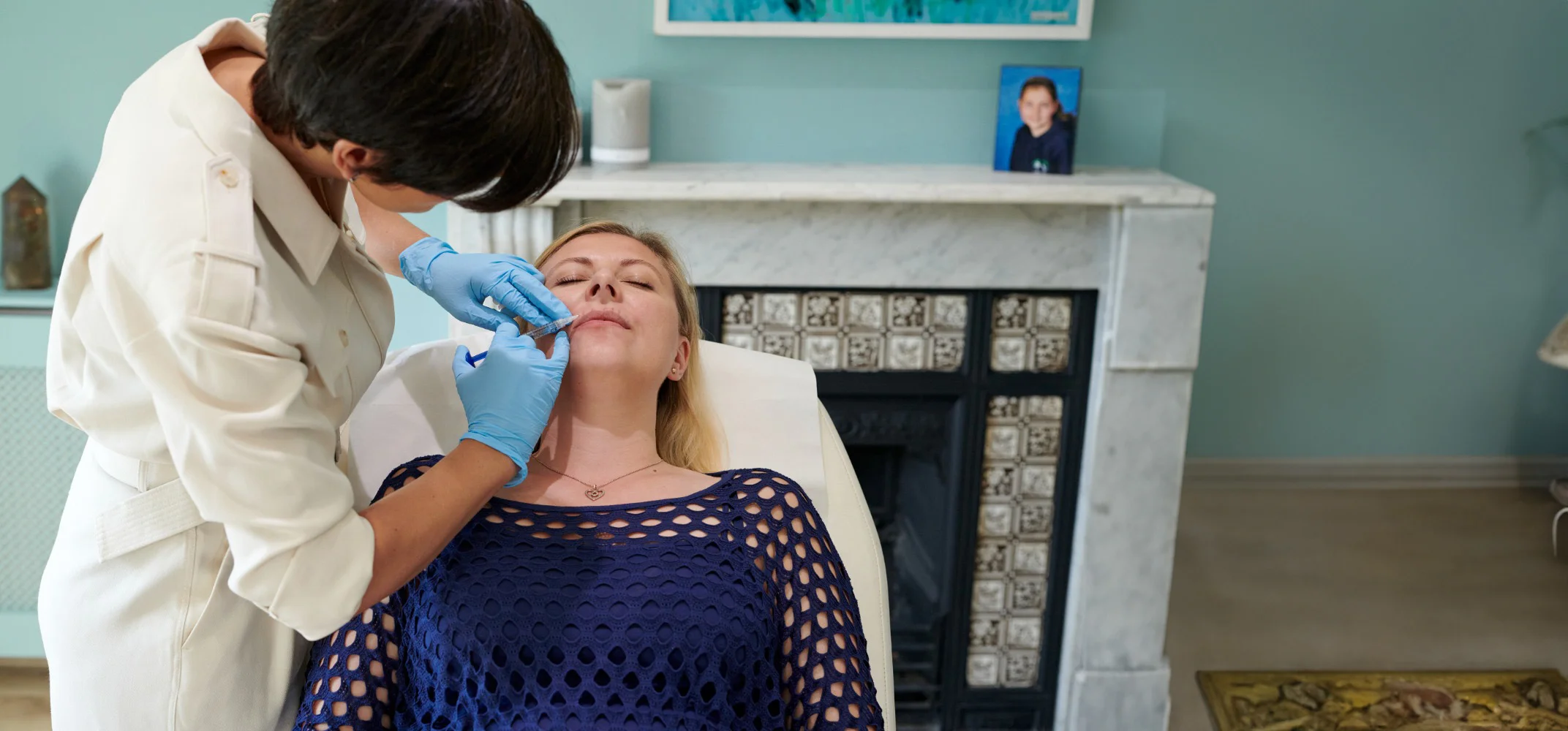
We clean the skin, apply the cream and give it time to work. Then we place a series of small injections with a very fine needle. How long that takes depends on the area. You can go home or back to work straight afterwards.
Skin Booster Side Effects
The common ones are the bumps, redness, swelling, tenderness and bruising described above. These usually settle within 24 to 48 hours, though a bruise can take a few days to fade. We go through all of this at your consultation, and you leave with aftercare advice and our number.
Rarer problems do happen. They include infection, and lumps that don’t settle and need a review. Very rarely, an injection can block a blood vessel. Call us straight away if you have severe or worsening pain, skin that turns pale or changes colour, or any change in your vision.
Skin Booster Aftercare
For the first 24 hours, keep your hands off the treated area and leave off make-up. Avoid alcohol for 24 hours before your appointment and 24 hours after, because it can make bruising and swelling worse. For 48 hours, skip intense exercise, saunas and steam rooms, and keep out of strong sun and heat.
Who Skin Boosters Suit and Who Should Wait
Skin boosters suit people whose skin looks tired, dry or crepey and who are otherwise happy with their face. They’re the wrong choice if your main worry is sagging or lost volume.
Treatment is for adults aged 18 and over. We’d ask you to wait if:
- you’re pregnant or breastfeeding
- you have an active skin infection or inflammation in the area we’d be treating
- you’re unwell on the day
Tell us about any medical conditions, allergies and medicines you take. Blood thinners and anti-inflammatories matter most, because they can increase the chances of bruising.
If what you really need is lift, we’ll say so at your consultation and talk about filler or the 8-point facelift instead.
How Much Do Skin Boosters Cost?
At our clinic, Restylane Skinboosters cost £400 for 1ml or £650 for 2ml. Profhilo is £520 a session for one area or £985 for two areas, so a full course of two sessions starts from £1,040. Polynucleotides start from £545 a session, with a course from £1,090.
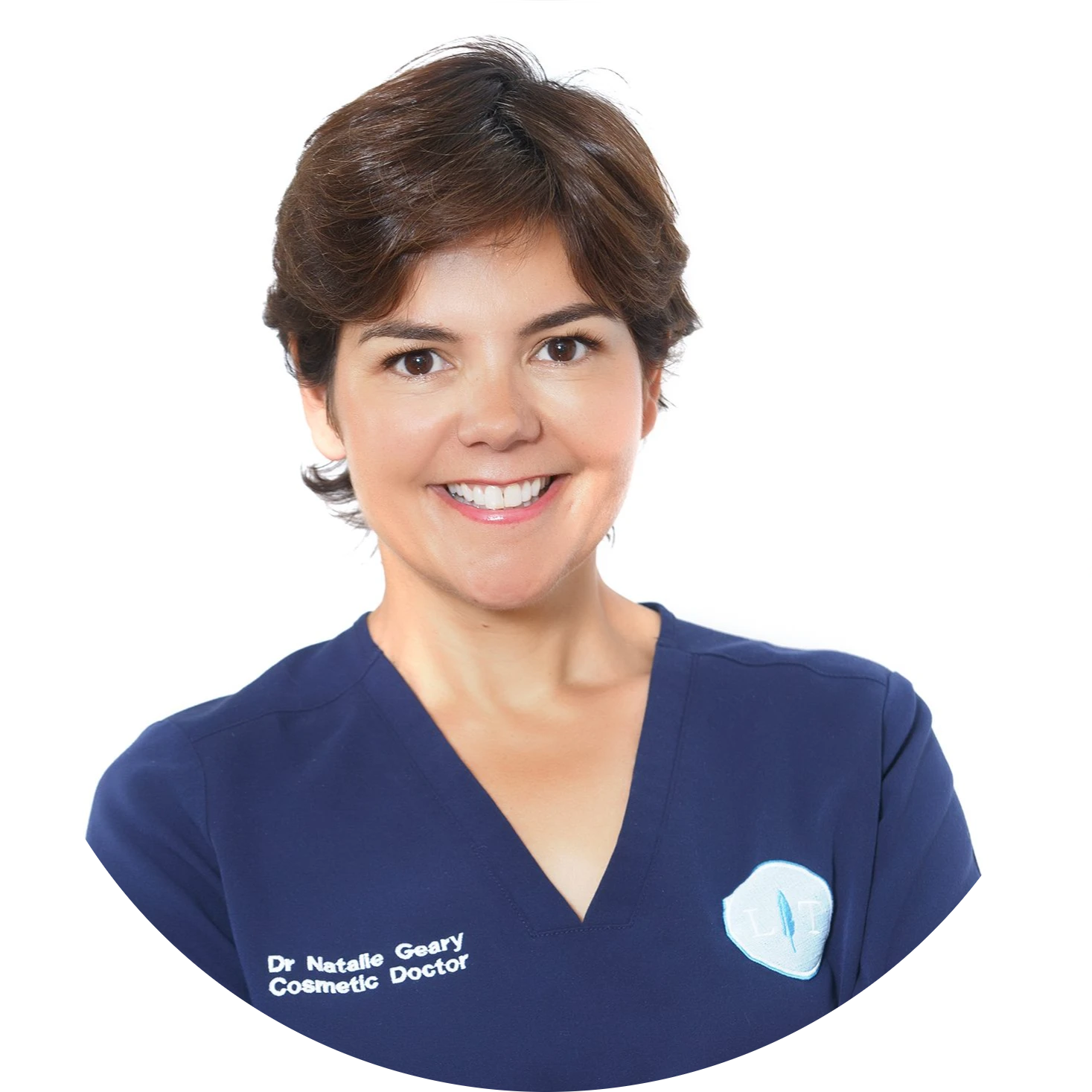
Prices vary a lot between clinics, mostly because of the product used, how much goes in, who injects it and whether a review appointment is included. Here, your injector is Dr Natalie Geary or our nurse prescriber, Louise Walsh, and the price is the same with either. Natalie has more than 18 years’ experience in aesthetic medicine, and Tatler recognises her as one of the UK’s leading cosmetic specialists. Both treat in our CQC-registered clinic. The full list is in our guide to how much aesthetic treatments cost.
Because skin boosters are a course, ask any clinic for the cost of the whole course and the yearly top-ups, rather than just the first session. With us, a typical first year of Profhilo on one area is the two-session course plus one top-up about six months later, which comes to £1,560.
Talk to our medical team
Book a £50 consultation, redeemable against treatment, and we will assess what you actually need, including whether treatment is right for you at all.
Frequently Asked Questions
Are skin boosters worth it?
They’re worth it if dry or crepey skin is what bothers you and you’re happy to come back for a top-up every four to six months. Give it until a few weeks after your last session before you judge the result. We’ll tell you at your consultation if a different treatment would suit you better.
Can you have skin boosters while pregnant?
No. We don’t treat anyone who is pregnant or breastfeeding. These injections haven’t been tested in pregnancy, so we wait until afterwards.
Do skin boosters hurt?
There is some discomfort. We apply numbing cream first and use very fine needles, and most people find it manageable. Some areas are more sensitive than others, so tell us if you need a pause.
Can skin boosters be used under the eyes, on the neck or hands?
Yes, though the product changes with the area. The neck, chest and hands are commonly treated with hyaluronic acid boosters such as Profhilo. The skin under the eyes is thinner, so we assess it at your consultation first, and we more often suggest polynucleotides there.
How quickly will I see results?
It depends on the product. Many people notice more hydrated skin within a few days of a session, and the full result usually shows a few weeks after the course finishes. With Profhilo, that’s at around four to six weeks. Polynucleotides are slower, with early changes at two to three weeks and more over the following months.
Is anything better than Profhilo?
It depends what you’re treating. Profhilo is our usual suggestion for crepey skin that has lost its bounce. For thin skin, or under the eyes, we more often suggest polynucleotides.
Are polynucleotides skin boosters?
They’re usually grouped with skin boosters, and we list them with ours, but strictly they aren’t one. Skin boosters are based on hyaluronic acid and mainly hydrate the skin. Polynucleotides are purified DNA fragments that support the skin’s own repair, which is why we often suggest them for thin skin and under the eyes. Our polynucleotides page explains the treatment in full.
Can I combine skin boosters with other treatments?
Yes. Plenty of our patients pair them with a Hydrafacial, or with BBL and MOXI laser, which work on pigmentation, redness and texture. We space treatments out so your skin has time to settle between them, and our guide to how often you should have BBL explains how we plan those sessions across the year.
Start With a Consultation
Every course starts with a consultation. We scan your skin on the OBSERV 520x, which photographs it in different kinds of light. Then we talk through what you’d like to change and put together a plan. Sometimes that plan is a different treatment, or no treatment at all.
A £50 deposit secures the appointment and is redeemable against treatment or products. You can read more about skin boosters in Surrey at our Weybridge clinic, or get in touch to book or call us on 01932 849552.