Number of Treatment Options
7
Average Treatment Time
45 minutes
Prices From
£50
About Acne
Up to 80% of teenagers get acne, mainly caused by hormonal changes during puberty. Adults can also experience breakouts triggered by hormone shifts. In women, pregnancy, menstrual cycles, menopause, and conditions like polycystic ovary syndrome (PCOS) can make acne worse. In men, fluctuations in testosterone levels can lead to breakouts over time.
Acne occurs when pores are blocked, often by harmless bacteria. This leads to a range of outcomes such as spots, blackheads, papules, pustules, or cysts. As sebum mixes with dead skin cells, this can clog pores and lead to bacterial infections. Acne severity varies, ranging from mild to severe, with different treatment options available based on classification.
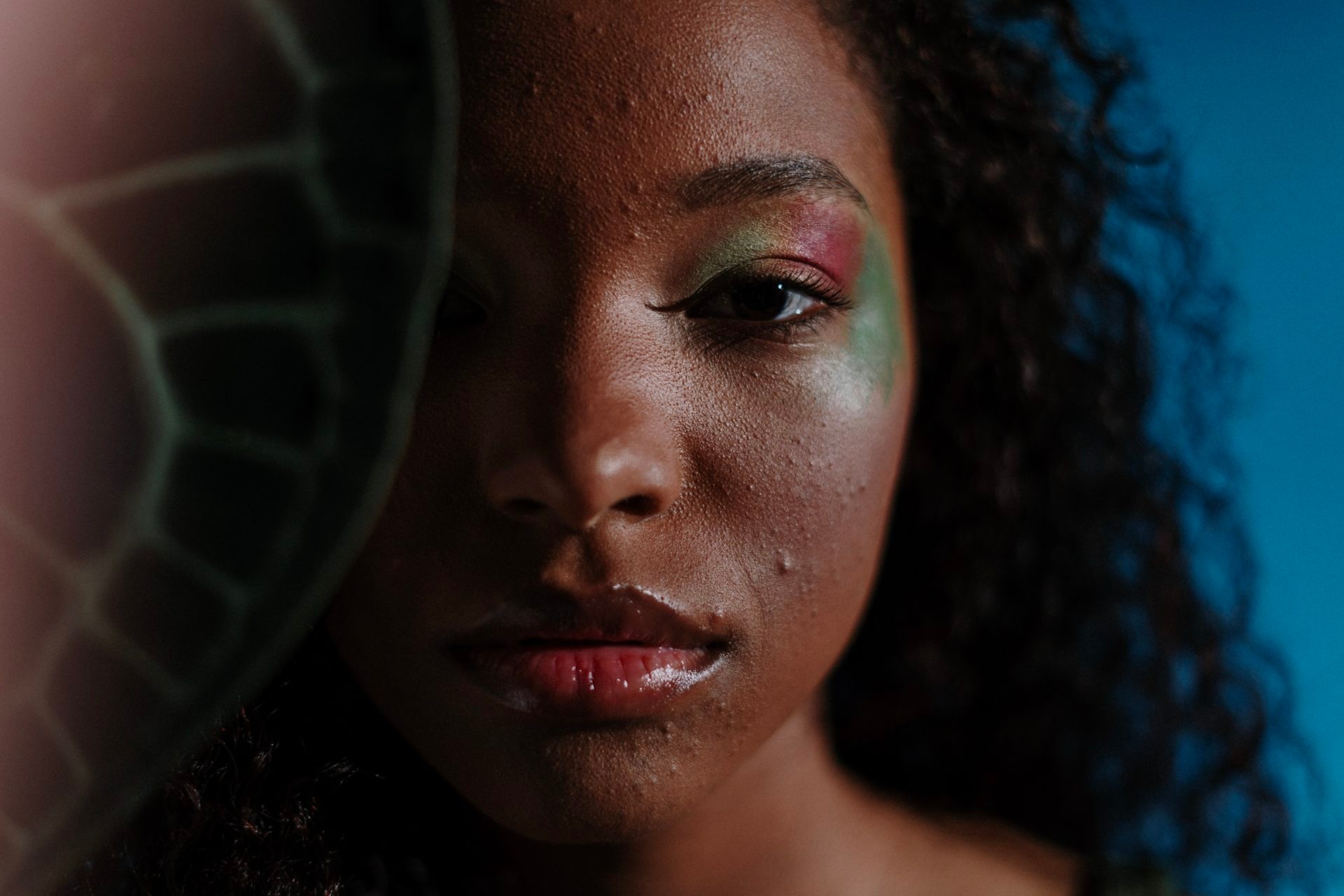
Acne can develop when inflammation damages the deeper layers of the skin. As the skin heals, it may produce too little collagen (creating indented scars) or too much collagen (creating raised scars). Picking or squeezing spots, severe or prolonged acne, and individual skin factors can all increase the likelihood of scars and lingering marks.
How Acne Treatments Work
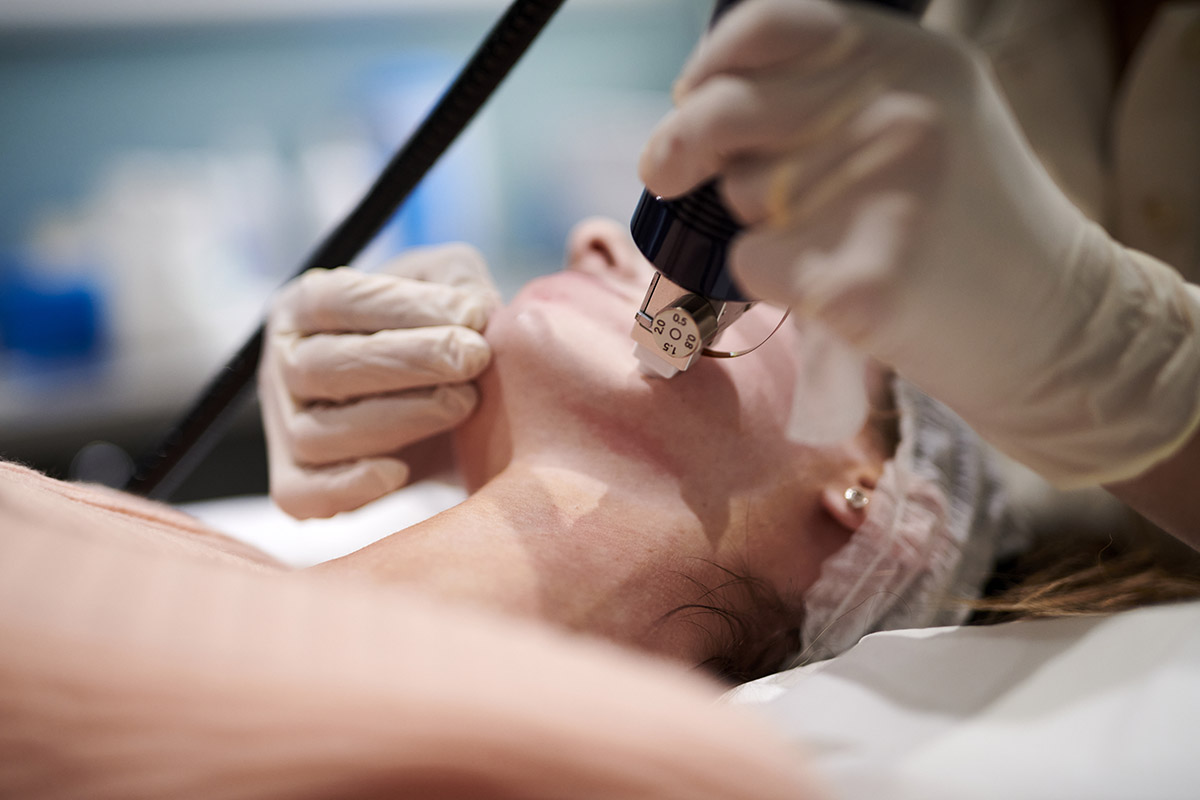
Our goal is to calm active acne in a controlled way so your skin becomes clearer over time. At our Weybridge clinic, acne treatment focuses on reducing inflammation, keeping pores clearer, and supporting the skin barrier. This helps you feel confident in less frequent and less severe acne breakouts.
Our approach depends on what is driving your acne. Some treatments help reduce congestion and improve healthy cell turnover. Others focus on calming redness and irritation, supporting recovery, or managing recurring flare patterns, including hormonal breakouts. We also consider your skin tone and sensitivity, especially if you are prone to post-acne marks.
We guide you through each stage with clear expectations and review points. Treatments are chosen for your acne type, severity, and lifestyle, with options to keep downtime low wherever possible. The aim is steady improvement that still looks like you, with fewer breakouts and a more even skin tone over time.
Symptoms of Acne
Acne looks different on everyone. For some people, it’s occasional breakouts. For others, it is persistent inflammation, painful spots, or marks that linger long after the active acne has settled. At Light Touch Clinic in Weybridge, we assess both what you can see on the surface and what is happening underneath, so we can recommend a sensible acne treatment plan for your skin type and tone.
You may have acne symptoms if you notice:
- Whiteheads or blackheads (blocked pores that feel bumpy or congested)
- Red, inflamed spots that are sore to touch (papules or pustules)
- Deep, painful lumps under the skin (nodules or cystic acne)
- Oily skin and enlarged pores, often with recurring congestion
- Breakouts on the face, jawline, back or chest
- Post-acne marks that remain after spots heal, such as red, purple, or brown areas (post-inflammatory redness or pigmentation)
- Early textural change where acne has repeatedly inflamed
If you are unsure whether what you are experiencing is acne or another skin condition, an in-clinic assessment can help clarify the cause and the safest next steps.

Types of spots
Blackheads
Small black or yellowish bumps. They are not caused by dirt. The dark colour comes from changes in the lining of the pore.
Whiteheads
Similar to blackheads but closed at the surface. Whiteheads are often firmer and less likely to empty.
Cysts
These are large, pus-filled lumps that can resemble boils and carry the highest risk of permanent scarring.
Papules
Small red bumps that can feel tender or sore.
Pustules
Like papules but with a white or yellow tip due to a build-up of pus.
Nodules
Larger, hard lumps under the skin that can be painful and last longer.
Consultation and skin plan
What to expect
During your consultation, your clinician will explain what level of improvement is realistic for your acne type, how many sessions are likely to be recommended, and what kind of downtime you should plan for. If you are a good candidate for combination treatment, we will also explain why certain approaches work better together, and when it is safest to layer them.
Suitability and Safety
We tailor acne treatments carefully, especially if you have sensitive skin or are prone to pigmentation changes. During your consultation, we will review medical history, current skincare, medications (including recent isotretinoin), and whether you are pregnant or breastfeeding.
Pricing Guidance
Treatments start from £150, with the total cost depending on the type of treatments selected and recommended sessions.
After assessment, we’ll provide a transparent cost plan before you proceed.
Why Choose Light Touch Clinic?
Our clients choose our multi award-winning Surrey based clinic because we offer:
Outstanding yet natural results
Highly qualified expert therapists
Clean and comfortable environment
Friendly and relaxed atmosphere
Meet The Acne Treatment Team


Our Clinic in Weybridge
At our clinic in Weybridge, acne is something we assess and treat every week.
We’re the convenient choice for patients looking to treat active acne near Weybridge and the wider Elmbridge area.
We regularly welcome people travelling in from Esher, Walton-on-Thames, Cobham, Addlestone, Chertsey, and Guildford and Woking when they want a private, calm setting and a clear plan for their skin.
Address: 50 Church Street, Weybridge, Surrey, KT13 8DP
Parking: On-site & nearby parking available.
Public transport: Around a 15 to 20 minute walk from Weybridge train station, with nearby bus routes.