Skin Pigmentation Treatment in Surrey

Our doctor-led CQC-registered team create bespoke pigmentation treatment plans designed to restore a clearer, more even and naturally radiant skin tone.

Feather

Number of Treatment Options

9

Feather

Average Treatment Time

30 minutes

Feather

Prices From

£50

Restore Clear, Even Skin with Pigmentation Treatments Surrey

We offer skin pigmentation treatment in Surrey for sun damage, age spots and hyperpigmentation at our doctor-led clinic in Weybridge.

Skin pigmentation refers to the natural colouring of your skin, which is determined by the amount of melanin produced by your skin cells. When this process becomes disrupted, areas of the skin may appear darker or lighter than the surrounding tissue. Darker patches are known as hyperpigmentation, while lighter areas are referred to as hypopigmentation.

Hyperpigmentation is particularly common in areas frequently exposed to the sun, such as the face, hands, chest, and shoulders. It may appear as age spots, sunspots or melasma, and can also be influenced by hormonal changes, especially during pregnancy. Hypopigmentation, on the other hand, develops when melanin production decreases, leading to lighter patches that may be caused by genetics, skin injuries or certain medical conditions.

Book a consultation with our doctor-led team at Light Touch Clinic to discuss the various treatment options at our clinic in Surrey. During your consultation, we will assess your skin in detail and create a personalised treatment plan tailored to your individual needs.


CQC logo
Woman smiling

Your Pigmentation Treatment Options in Surrey

IPL

Intense pulsed light treatment that helps uneven skin tone and rejuvenates the skin by reducing pigmentation and thread (spider) veins.

Doctor Prescribed Prescription-Only Medication

Depending on the cause of your pigmentation, medications can be prescribed by our aesthetic doctors.

Tixel Skin Treatment

Tixel is a versatile skin treatment designed to counteract various ageing-related conditions through skin resurfacing for a rejuvenated appearance.

INTRAcel

Intracel combines microneedling with radiofrequency technology to stimulate collagen production and improve the texture and appearance of the skin.

Dermalux LED Light Terapy

The Dermalux LED lamp delivers controlled wavelengths of red, blue and infrared light into the skin, at the required depth, to target cells damaged by UV radiation.

Hydrafacial

Through a combination of powerful and nourishing ingredients, Hydrafacial treatment uses 6 stages of skin cleansing treatment to revive the look and feel of your skin.

Mesotherapy

Skin rejuvenation using ultrafine needles to precisely deliver a potent blend of naturally revitalising substances directly to the skin.

Platelet Rich Plasma (PRP)

PRP treatment harnesses the power of your own blood in order to treat a variety of concerns. PRP can be used to improve the appearance of ageing skin, skin injuries and scars.

Polynucleotides Skin Rejuvenation

Polynucleotide injections offer patients an entirely new form of anti-ageing injectables, reversing the signs of ageing and skin damage from within.

Book A Consultation

Complete the form and we’ll be in contact with you to book your pigmentation consultation.

Hyperpigmentation on skin

What Causes Pigmentation?

Pigmentation concerns develop when the skin produces either too much or too little melanin, the pigment responsible for your natural skin tone. This disruption can be triggered by sun exposure, hormonal changes, inflammation, or ageing, all of which can cause melanocytes (melanin-producing cells) to behave irregularly. As a result, areas of skin may appear darker, lighter, or uneven compared to the surrounding tissue.

Environmental factors, lifestyle, and genetics also influence how your skin responds to these triggers. Long-term UV exposure, pregnancy, certain medications, and previous blemishes or injuries can all contribute to stubborn pigmentation. Understanding the underlying cause is the first step towards choosing the most effective treatment.

Key Causes of Pigmentation:

– Sun exposure and UV damage.
– Hormonal changes (e.g., pregnancy, contraception).
– Post-inflammatory responses (such as acne or skin injury).
– Ageing and cumulative sun exposure over time.
– Genetic predisposition.
– Certain medications or skin-sensitising products.

Pigmentation Concerns We Treat

At Light Touch Clinic, we treat a wide range of pigmentation issues affecting the face and body, helping patients achieve a clearer, more even complexion. Whether your concern is mild or more persistent, our expert practitioners use advanced technologies and tailored treatment plans to address the root cause and restore skin clarity.

We regularly treat sun damage, age spots, melasma, and post-inflammatory pigmentation, often linked to acne or previous skin injury. Our doctor-led team will assess your skin during consultation to identify the exact concern and recommend the safest, most effective approach for your skin type.

Common pigmentation concerns we treat:

– Sun damage and age spots.
– Melasma and hormone-related pigmentation.
– Post-inflammatory hyperpigmentation (e.g., after acne).
– General uneven skin tone and dullness.
– Tailored treatment plans for all skin types.

Lip Fillers
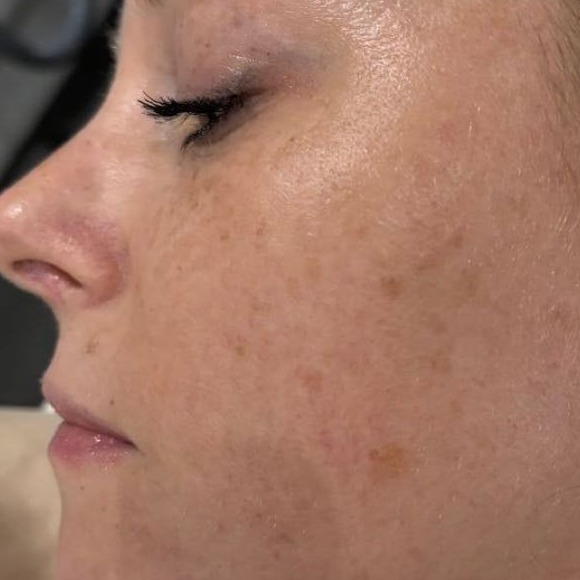
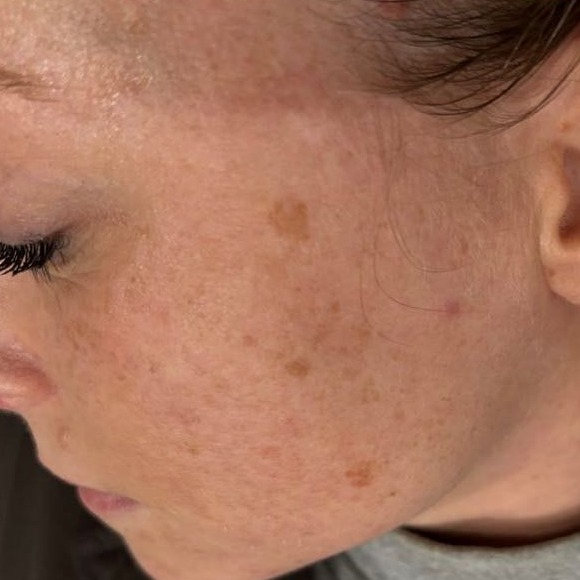
Before IPL TreatmentAfter IPL Treatment

Before and after IPL pigmentation treatment

Pigmentation Treatment Results

Our before and after photos showcase the improvements our patients typically achieve, with visible brightening, clearer skin tone and a noticeable reduction in pigmentation. These real patient results demonstrate how targeted, medical-grade treatments can help restore a more even, radiant complexion.

Meet The Pigmentation Treatment Team

Natalie Geary

Dr Natalie
Geary

CEO / Medical Director

Hayley Toogood

Hayley
Toogood

Emerald Lead / Front of House Lead

Anna C Circled

Anna
Cash

Front of House

Sammy Wilson

Sammy
Wilson

Senior Aesthetician

Betty B

Betty
B

Aesthetic Therapist

Pigmentation Frequently Asked Questions

This refers to the colour of the skin, which is mainly determined by the presence of melanin, a natural pigment produced by specialised cells called melanocytes. Melanin provides colour to the skin, hair, and eyes, and its production can vary among people, resulting in a wide range of skin tones.

The most common types include:

  • Hyperpigmentation: This is darkened patches of skin resulting from excess melanin production, including conditions like melasma, acanthosis nigricans and age spots.
  • Hypopigmentation: Where skin loses its colour, leading to conditions such as vitiligo, where patches of skin become lighter due to the destruction of melanocytes.
  • Freckles: Small brown spots that are usually genetic and can become more pronounced with sun exposure.
  • Post-inflammatory hyperpigmentation: Occurs after skin injuries or conditions such as acne.
  • Genetic Predisposition – Family history can influence the likelihood of developing pigmentation issues.
  • Hormonal Changes – Fluctuations in hormones, especially during pregnancy, can lead to conditions like melasma, often referred to as the “mask of pregnancy.”
  • Sun Exposure – Prolonged exposure to ultraviolet (UV) rays can cause hyperpigmentation by prompting melanocytes to produce excess melanin.
  • Medications – Certain medications may trigger pigmentation changes as a side effect.
  • Skin Injuries – Trauma to the skin, such as cuts or inflammation, can result in post-inflammatory hyperpigmentation, where darker patches form after the skin heals.
  • Environmental Influences – Pollution and other environmental factors can impact skin health and pigmentation.
  • Individual Factors – Skin type, ethnicity, and underlying health conditions can increase susceptibility to pigmentation changes.
Some types of pigmentation can be significantly reduced or even removed, while others, such as melasma, can be effectively managed rather than permanently eliminated. Our treatments target excess melanin to visibly lighten dark patches, and with the right skincare and sun protection, results can be long-lasting.
Yes, pigmentation can be treated safely across a wide range of skin types when the correct technology and protocols are used. During your consultation, our doctor-led team will assess your skin tone, type and medical history to ensure the safest and most suitable treatment options are recommended.
The number of sessions varies depending on the type and depth of pigmentation. Many patients see improvement after just a few treatments, while a course of 3 to 6 sessions is common for the best results. Your practitioner will discuss a personalised plan during your consultation.
Downtime is usually minimal. Some treatments may cause temporary redness, mild swelling or darkening of the pigmentation before it naturally flakes or fades. Most patients return to normal activities immediately and are provided with clear aftercare guidance.
Pigmentation can return if the skin is exposed to triggers such as UV light or hormonal changes. However, with proper sun protection and a tailored skincare routine, results can be well-maintained. Your practitioner will explain how to protect your skin long-term.
Hyperpigmentation is a broad term for darkened areas of skin caused by excess melanin, often due to sun exposure or inflammation. Melasma is a specific type of pigmentation linked to hormonal changes, typically appearing as symmetrical patches on the face. Melasma requires gentle, carefully chosen treatments.
Most pigmentation treatments are well-tolerated. Patients may feel a warm, tingling, or light stinging sensation depending on the technology used, but discomfort is brief. Your practitioner will ensure you are comfortable throughout your treatment.

Topical treatments such as hydroquinone, retinoids, and vitamin C can help lighten hyperpigmented areas by inhibiting melanin production and promoting cell turnover.

Chemical peels, laser therapy, and microdermabrasion are professional procedures that can also reduce pigmentation by exfoliating the skin and targeting deeper layers.

Protecting yourself from the sun by using broad-spectrum sunscreen daily is also important to prevent further pigmentation from UV exposure. Maintaining a healthy skincare routine can help in effectively managing and reducing skin pigmentation issues.

At Light Touch Clinic, we offer a range of treatments to help with skin pigmentation issues. Contact us to book a consultation.

At Light Touch Clinic, we offer a wide range of effective aesthetic treatments to help deal with skin pigmentation:

  • IPL Treatment: This treatment delivers intense pulses of light to generate heat and destroy the pigmented cells.
  • PRP Treatment: This treatment releases growth factors from platelets, activating fibroblasts responsible for collagen production, which improves uneven pigmentation.
  • Polynucleotides Skin Boosters: Derived from ultra-purified DNA fractions, polynucleotides stimulate fibroblast production, increasing collagen by up to 47% and enhancing dermis health and thickness by 52% within 23 days.
  • Hydrafacial: A medical-grade treatment that provides deep cleansing and exfoliation, helping to brighten skin tone and reduce pigmentation irregularities.
  • Tixel Skin Treatment: By creating a controlled thermal injury, Tixel promotes overall skin rejuvenation, aiding in the reduction of pigmentation issues and resulting in a refreshed, revitalised appearance.
  • INTRAcel: This treatment effectively addresses the signs of ageing and skin damage while boosting essential proteins and minerals in the skin, promoting overall skin health and helping to reduce pigmentation concerns.
  • LED Light Therapy: This penetrates beneath the skin to re-energise skin cells and restore their function.
  • Mesotherapy: This uses ultrafine needles to precisely deliver a potent blend of naturally rejuvenating substances, including vitamins & minerals, enzymes, hormones and plant extracts directly to the skin.

Depending on the cause of your pigmentation, we also offer Doctor Prescribed Prescription medication.

Some patients notice brighter, clearer skin within a few weeks, while deeper pigmentation may take longer to fade. Results build progressively over a course of treatments as the skin regenerates and melanin levels stabilise.
Yes. Many of our pigmentation treatments are suitable for sensitive skin, provided they are chosen carefully. During your consultation, we will assess your skin’s tolerance and recommend gentle, effective options tailored to your needs.
Sun spots and age spots respond particularly well to treatments such as IPL, chemical peels, and advanced skincare. The most effective option depends on your skin tone, the depth of pigmentation and the overall condition of your skin.
We do not perform pigmentation treatments during pregnancy as a precaution. However, we can advise on safe skincare options to help manage changes until treatment can be resumed postpartum.
Aftercare typically includes avoiding sun exposure, wearing high-factor SPF daily, and using gentle, non-irritating skincare. Your practitioner may also recommend specific medical-grade products to support results and protect the skin barrier.
Yes, avoiding direct sun exposure is essential both before and after treatment, as UV can worsen pigmentation and affect treatment outcomes. Daily SPF is strongly recommended to maintain and protect your results.
The best treatment depends on the type, depth and cause of your pigmentation, as well as your skin type and sensitivity. Our doctor-led team will carry out a thorough skin assessment and create a bespoke treatment plan tailored specifically to your concerns.

Why Choose Light Touch Clinic?

Our clients choose our multi award-winning Surrey based clinic because we offer:

Feather

Outstanding yet natural results

Feather

Highly qualified expert therapists

Feather

Clean and comfortable environment

Feather

Friendly and relaxed atmosphere

Our Clinic in Surrey

Light Touch Clinic is located in the heart of Weybridge, Surrey, making it easily accessible for patients from Guildford, Woking, Esher, and surrounding areas. Our clinic offers a friendly and private setting for the treatment of pigmentation. Our location ensures a smooth and stress-free experience, whether you’re travelling by car or public transport.

Address: 50 Church Street, Weybridge, Surrey, KT13 8DP

Parking: On-site & nearby parking available

Public Transport: Easily accessible from Weybridge train station (15-20 minute walk) and nearby bus routes


Get Directions